🎭 Job
🗓️ 17 September to 12 October
📍 Red Stitch Actors’ Theatre
🎟️ redstitch.net
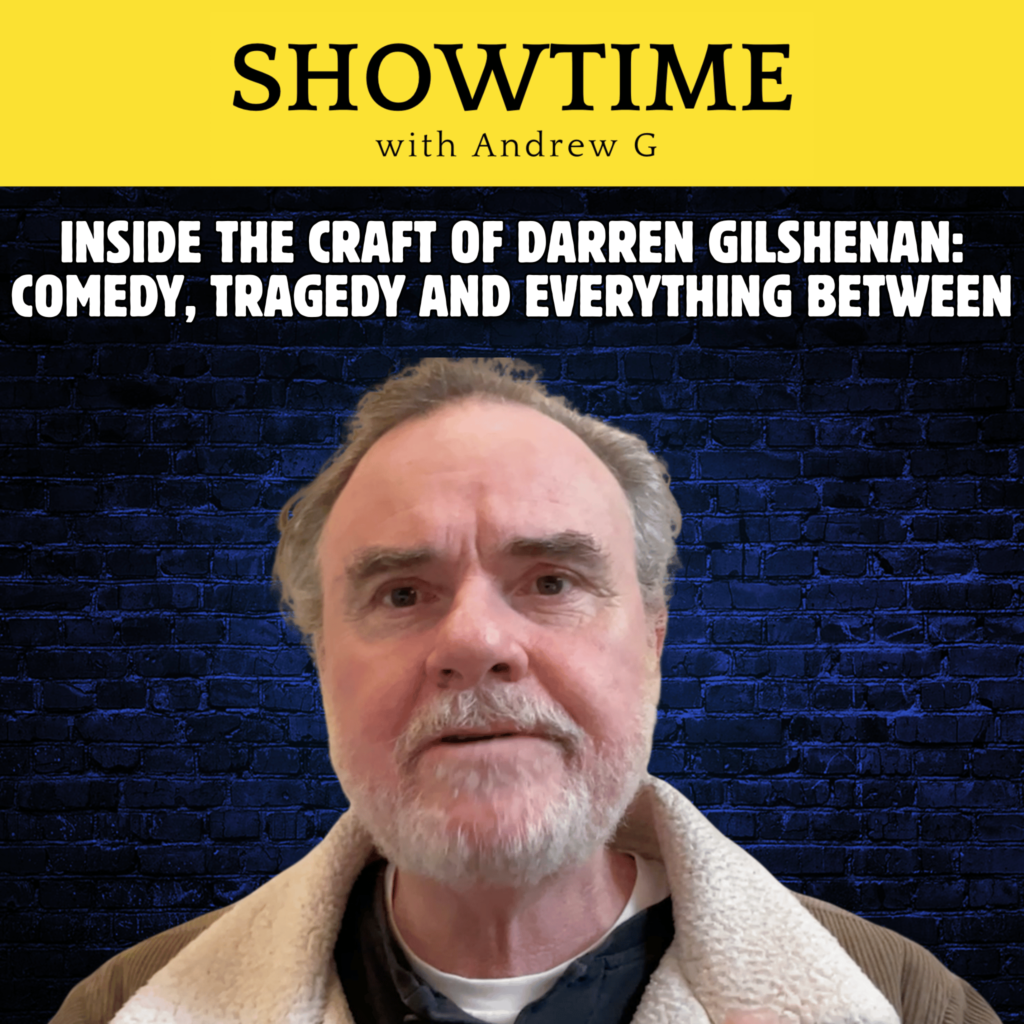
Darren Gilshenan has built a career across theatre and television that has spanned more than three decades. He has moved seamlessly from Shakespeare to sketch comedy, from the high energy of Commedia dell’arte to the psychological weight of contemporary drama. His reflections on training, performance and the demands of particular roles reveal the discipline and adaptability required to sustain such a varied path.
He traces much of his foundation back to his time at the National Institute of Dramatic Art in 1988. The training stripped away personal habits of voice and movement so actors could approach roles without limitation. For Gilshenan this meant letting go of a strong Queensland accent and finding a neutral voice and physicality. That process gave him the flexibility to embody a wide range of characters over the years. He credits the rigour of NIDA with setting a standard of discipline that remains central to his approach.
After graduating he joined Bell Shakespeare and spent a decade touring Australia. He describes the experience as a vital education in stamina, clarity and emotional depth. Shakespeare’s language requires precision and resilience, and the long rehearsal processes taught him how to sustain extended thoughts and handle complex emotions. The demands of the work were high, but so were the rewards, and he remains energised by the sense of discovery that comes from rehearsing great texts with committed actors.
Comedy became another defining thread in his career. His acclaimed performance as Truffalino in The Servant of Two Masters showed the value of physical skill, improvisation and interaction with audiences. The role required constant movement, agility and a willingness to leap into the unexpected. Gilshenan credits this experience with building his confidence to trust instinct and adapt on the spot, qualities that proved essential when he later moved into television comedy.
Television brought him to a broader audience through the sketch show Full Frontal. The format was relentless, with new material and characters every week. Unlike theatre, there was little time for exploration, and performances had to be shaped quickly and convincingly. Gilshenan’s background in physical comedy and Shakespearean discipline gave him the tools to cope with the pressure and deliver variety with consistency. The show highlighted his versatility and gave him the opportunity to demonstrate the full range of his craft in front of a national audience.
Not all roles have been comic. One of the most significant experiences of his career came with Harold Pinter’s The Caretaker, where he played Davies. At the time Gilshenan was grieving the loss of his mother, and the role’s sense of fragility and decline intersected powerfully with his personal state. The demands of the part triggered stage fright and even physical symptoms, showing how porous the boundary can be between character and actor. It was a reminder that while art can provide an outlet for pain, it can also exact a heavy toll when personal emotion becomes too closely aligned with performance.
His current project, Job at Red Stitch Actors Theatre, is another demanding piece of work. The play examines the world of internet content moderation and the psychological burden carried by those who filter disturbing material every day. A two-hander that requires sustained intensity, the production places immense responsibility on its performers. Gilshenan describes the work as both confronting and important, shining a light on aspects of digital culture that are usually hidden. He sees it as one of the most relevant plays he has undertaken, speaking directly to the challenges of living in a digital age.
The play also connects to his reflections on generational differences. Gilshenan contrasts his own childhood, which was spent outdoors and shaped by face-to-face experiences, with that of his son, whose life has been defined by virtual connections and online interaction. This comparison gives added weight to the themes of Job, which deal with disconnection, overload and the psychological consequences of endless digital exposure. For him, the play is not only a professional challenge but also a personal lens on the changes that technology has brought to family life and society at large.
What appeals most to him about Job is its refusal to settle into easy answers. The play presents multiple perspectives and asks the audience to engage with its questions rather than resolving them neatly. Gilshenan sees this as one of theatre’s strengths. Ambiguity, he argues, forces audiences to think more deeply and talk more openly about what they have seen. He values theatre that unsettles, challenges and sparks dialogue long after the final scene.
Throughout his reflections Gilshenan emphasises the core qualities that have kept him working: discipline, resilience and adaptability. He enjoys the rehearsal process and draws energy from the creativity of younger actors, while also recognising the strain that certain roles can bring. He is candid about the difficulties, admitting that actors sometimes carry roles into their personal lives, but he remains committed to work that challenges him to grow and to productions that matter.
His career demonstrates the wide reach of acting as a profession, from touring Shakespeare to national television, from physical comedy to psychological drama. Each phase has demanded different skills but also built on the same foundation of craft and openness. For Gilshenan the journey is ongoing, an exploration of human experience through the varied lens of performance.
Job represents the kind of theatre he values most, work that engages with pressing issues while demanding artistic rigour. By highlighting the unseen labour of those who keep the internet functioning and pointing to the broader psychological impact of digital culture, the play prompts audiences to reflect on their own lives and the society they inhabit. For Gilshenan this is theatre’s enduring purpose: to ask difficult questions, to reveal hidden truths and to connect people through shared reflection.
In his career and in his current work, Darren Gilshenan offers a clear example of how an actor can move across forms and genres while remaining committed to the essence of the craft. His story is one of persistence, growth and curiosity, shaped by training, tested by demanding roles and continually renewed by a willingness to face the challenges of performance head on