
Mamma Mia: Connection, Joy, and Why This Musical Still Matters
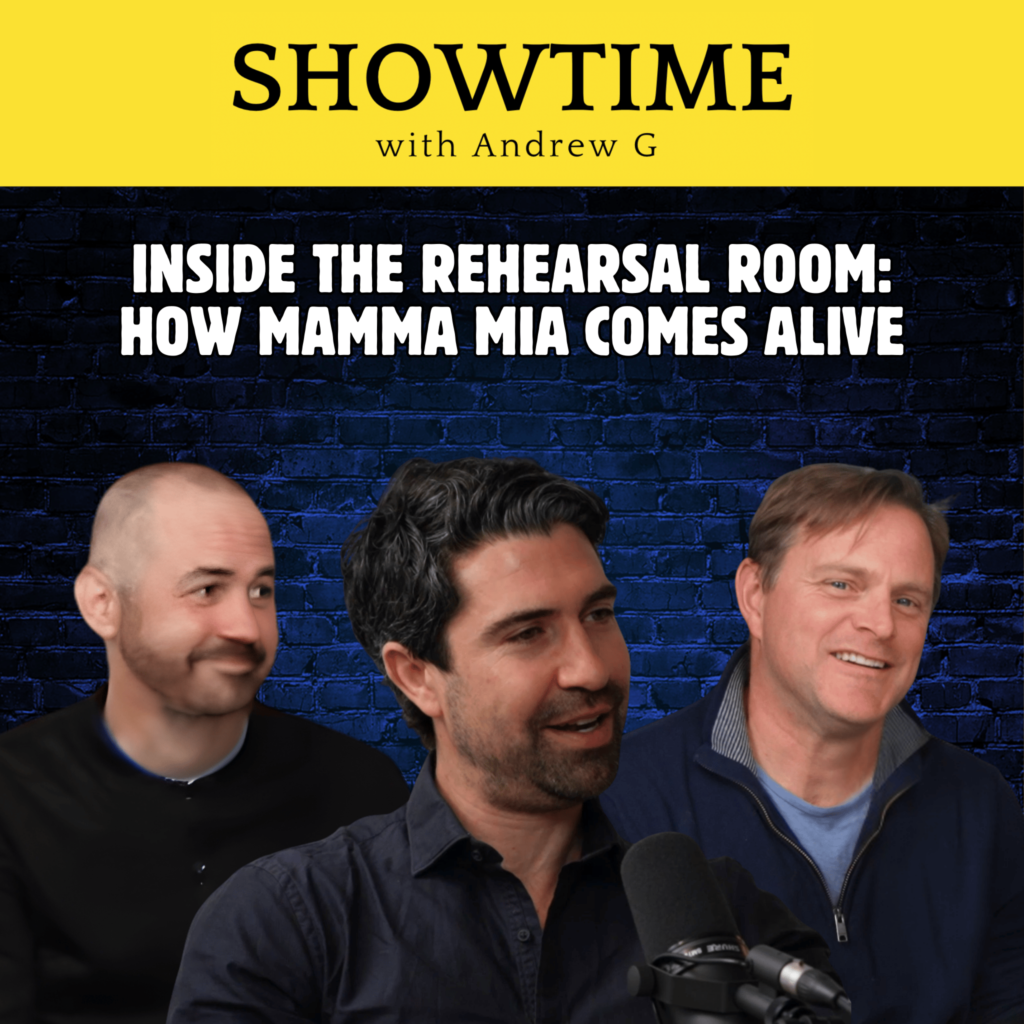
Every so often, a conversation about theatre reminds you exactly why live performance still matters. In this episode of Showtime, Andrew G sits down with Belle Parkinson, Ali Long, and Eleanor Atanofsky as they prepare to bring Mamma Mia to the National Theatre this February. What unfolds is not just a discussion about a globally beloved musical, but a reflection on connection, friendship, and the shared responsibility performers carry when stepping into stories that mean so much to so many people.
This isn’t a conversation about spectacle alone. It’s about why Mamma Mia continues to resonate across generations—and why joy, when it’s grounded in truth, remains one of theatre’s most powerful tools.
Where It All Begins: Theatre as Connection
For Belle, Ali, and Eleanor, theatre is less about perfection and more about recognition. Early in the conversation, they speak about the moment when an audience sees themselves reflected on stage—when a story feels familiar enough to feel real. That sense of recognition, they suggest, is what transforms entertainment into something deeper.
Mamma Mia works because its story is relatable. It’s about love, friendship, family, and the messy decisions that come with growing up and letting go. The cast reflect on how audiences of all ages can find themselves somewhere in the show—whether in Sophie’s impulsiveness, Donna’s fierce independence, or the friendships that hold everything together. For the performers, being part of that exchange comes with a quiet responsibility: to be honest, present, and emotionally available every night.
Inside the Rehearsal Room: Play, Trust, and Belonging
As rehearsals unfold, the cast describe the rehearsal room as both a creative playground and a place of comfort. There’s a sense of relief in walking into a room full of people who love the same thing, who are all working toward a shared goal. Even after a long or difficult day, that collective energy becomes a kind of reset.
They speak about how quickly the cast bonded on this production, and how that trust allows space for play. Small moments—an improvised gesture, a shared glance, a laugh in rehearsal—become the building blocks of something bigger. While the work is demanding, the process is fuelled by connection. It’s this balance of discipline and joy that keeps the momentum going as opening night approaches.
The Music That Carries the Room
ABBA’s music sits at the centre of Mamma Mia, and the cast are quick to acknowledge its impact. The songs are instantly recognisable, deeply nostalgic, and almost impossible not to move to. Even audiences who didn’t grow up with ABBA know the melodies, the lyrics, and the emotional cues they carry.
But beneath the fun is a demanding structure. The show moves at a relentless pace, with live vocals throughout and very little time to reset. Every performer is constantly engaged, whether they’re centre stage or just off it. That intensity creates a strong sense of ensemble—everyone relies on each other to keep the show alive and moving. Once the music starts, it doesn’t let go.
Stepping Into Iconic Characters
Taking on characters that audiences already know and love comes with its own pressure. Belle, Ali, and Eleanor talk about the challenge of honouring the original versions—whether from the stage or the film—while still allowing room for individuality. A carbon copy wouldn’t serve the story, but neither would ignoring its legacy.
The excitement lies in that balance: respecting what audiences recognise while offering something fresh, vibrant, and grounded in truth. For the trio, their characters’ youth, openness, and deep friendship feel close to home. Playing people who are still learning, still growing, and still figuring things out makes the work feel both joyful and honest.
Friendship at the Heart of the Story
One of the strongest themes to emerge is friendship—both within the story and within the cast itself. Mamma Mia presents friendships that endure distance, time, and change. Sophie, Ali, and Lisa pick up exactly where they left off, mirroring real-life relationships that don’t fade just because circumstances shift.
The cast reflect on how true friendship isn’t about constant proximity, but about trust and support. Even when characters disagree or question each other’s choices, love remains at the centre. It’s a dynamic that feels deeply familiar, and one that resonates just as strongly with audiences watching the Dynamos as it does with those following the younger trio.
Why Mamma Mia Still Resonates
So why does Mamma Mia continue to work decades after its debut? The answer, according to the cast, is its emotional accessibility. The story doesn’t belong to a specific era. It’s not locked into the 1970s, or the early 2000s, or any single moment in time. Its themes are universal, and its characters are flawed in ways that feel recognisably human.
It’s joyful without being empty, comforting without being shallow. Like a favourite film or a meal you return to again and again, Mamma Mia offers familiarity while still leaving room for surprise. Audiences leave smiling, humming ABBA, and carrying a little more lightness with them than when they arrived.
Walking Out Lighter Than You Came In
At its core, this episode is a reminder of why theatre exists. It’s about shared energy, collective emotion, and stories that help people feel seen. Mamma Mia doesn’t ask audiences to analyse or overthink—it invites them to feel, to laugh, to move, and to connect.
And if people walk out of the theatre smiling, dancing a little on the way home, and thinking that was a really great night, then the show has done exactly what it set out to do.