🎭 Fallen Angles
🗓️ 15 August to 30 August
📍 Brighton Theatre Company
🎟️ brightontheatre.com.au
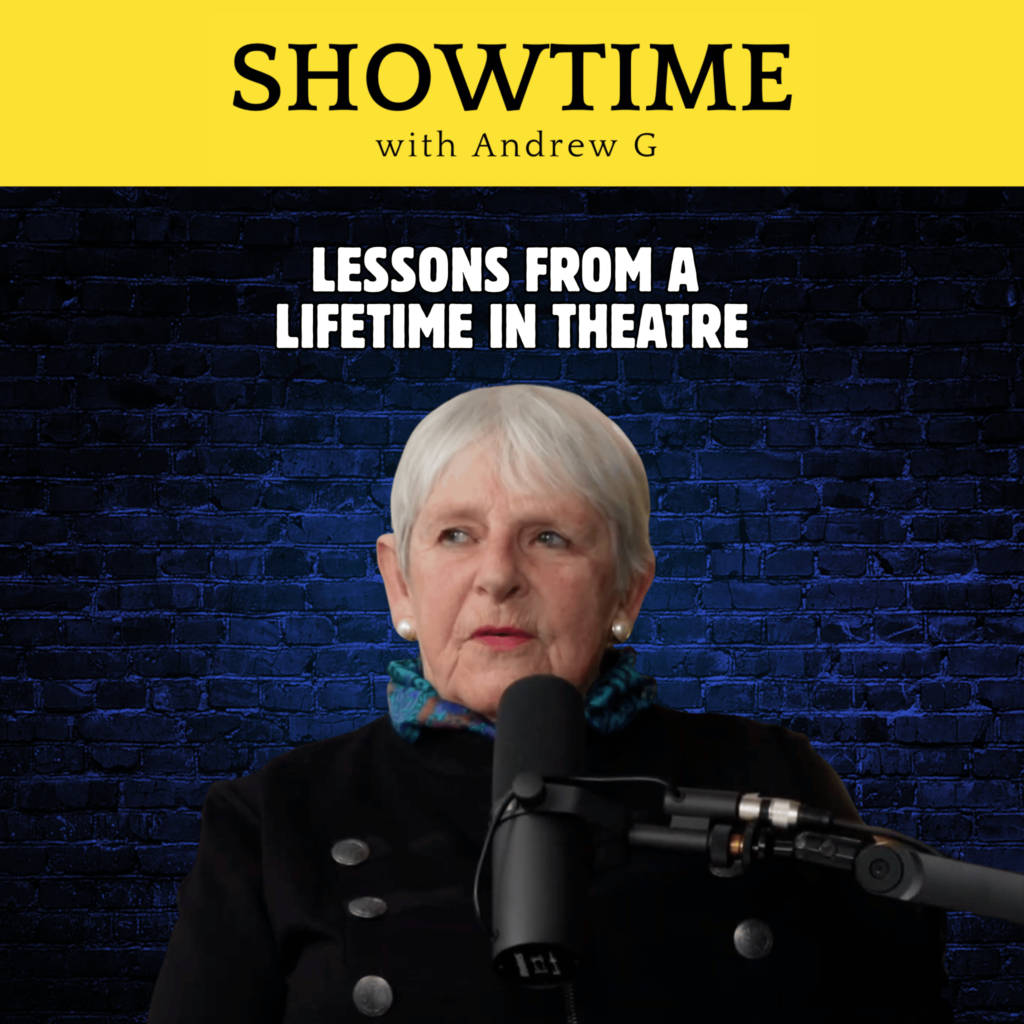
The latest episode of Showtime offers a heartfelt conversation with Annie Blood, whose connection to Australian theatre spans more than six decades. Annie’s journey began in the 1960s backstage at the Alfred Hospital revue, where the energy, mystery and sensory magic of live performance hooked her for life. She speaks with warmth about that first glimpse behind the curtain, describing the allure of the sights, sounds and smells of theatre and how those early experiences led to a lifelong commitment to the stage. Over the years, Annie has worn many hats, including director, stage manager, production manager and actor, each role deepening her understanding of the collaborative craft that is theatre.
Her career reflects an extraordinary versatility, moving seamlessly between creative and organisational roles. She explains how working across so many aspects of production has enriched her approach to directing. Understanding what it takes to manage a stage, coordinate a crew, embody a character and shape a story allows her to foster a truly collaborative environment where everyone’s contribution is respected. In community theatre, where productions are sustained by volunteer dedication and a willingness to step into whatever role is needed, this flexibility is invaluable. Annie’s career is a testament to the importance of adaptability and the rewards that come from immersing yourself in all parts of the creative process.
When directing, Annie is clear about one core principle: respect the playwright’s intentions. She speaks passionately about honouring the words and structure that the writer crafted, recognising the emotional and intellectual labour behind a finished script. At the same time, she acknowledges the importance of keeping work alive for contemporary audiences. For her, it is about striking a balance—preserving the heart and truth of the piece while allowing room for fresh interpretation so that the work continues to resonate in a modern context. This balancing act is especially evident in her approach to classic plays, where history and tradition meet current sensibilities.
One of the productions she reflects on with particular pride is The Shadow Box, a play that examines death, relationships and the human condition in a hospice setting. The subject matter is challenging, requiring a delicate handling of tone so that humour and compassion coexist without undercutting each other. Adding to the complexity, the play features multiple scenes occurring simultaneously, demanding intricate staging and a director’s keen eye for pace and focus. Annie has tackled the work more than once and each time has found new layers to explore. She recalls the positive critical reception and the emotional impact the play had on audiences, reinforcing her belief that theatre can confront difficult themes with sensitivity and still be accessible and engaging.
Throughout the conversation, Annie offers thoughtful observations on the nature of community theatre today. While still built on voluntary commitment, she notes a marked shift towards greater professionalism. Many companies now operate with the kind of structure and planning that was once associated only with professional theatre—formal administration, strategic audience engagement and careful financial management are becoming the norm. This evolution raises artistic standards and improves the experience for audiences, but it also brings new pressures to meet higher expectations. Annie recognises that the competition for attention is fierce in an era of countless entertainment options, making it all the more important for local theatre to find ways to connect with its community.
Her current project is directing Noël Coward’s Fallen Angels for Brighton Theatre Company. Written in 1925, the play is a witty comedy about two women whose comfortable lives are disrupted by the reappearance of a former lover. On the surface, it is light, sparkling and full of clever dialogue, but Annie points out that beneath the humour lies a sharp critique of the roles and expectations placed on women in the 1920s. She believes these themes still strike a chord today, making the piece both historically interesting and socially relevant. This production also marks the play’s centenary, a milestone that adds a layer of significance to the staging.
Annie describes how her cast have thrown themselves into researching the period, creating detailed backstories for their characters and even assembling mood boards to capture the era’s aesthetic. These immersive rehearsal practices help ensure the performances are authentic, allowing the humour to land naturally while the social commentary subtly weaves through. By encouraging this depth of preparation, Annie is equipping her actors to bring both the play’s wit and its more serious undercurrents to life in a way that will resonate with contemporary audiences. She hopes that while people laugh and enjoy the charm of Coward’s writing, they will also leave reflecting on how far society has come—and how some human behaviours remain timeless.
What emerges from Annie’s reflections is a portrait of someone deeply committed to the craft and community of theatre. Her love for the art form is rooted in those early days backstage and has been sustained by decades of collaboration, learning and storytelling. She understands that theatre is both fragile and enduring—it depends on the passion and dedication of those who make it happen, yet it continues to adapt and remain relevant through changing times. She speaks with gratitude for the people she has worked with, the stories she has told and the audiences who have shared in those moments. Her career is proof that the magic behind the curtain is not a fleeting sensation but a lasting force that can inspire a lifetime of creativity.
This episode of Showtime is more than an interview—it is a celebration of the enduring power of theatre and the people who keep it alive. Annie Blood’s story captures the joy, the challenges and the profound sense of purpose that come from devoting oneself to an art form that is at once ephemeral and eternal. Whether she is directing a complex drama, staging a century-old comedy or guiding a volunteer cast through the intricate dance of production, Annie brings the same respect, curiosity and commitment. Her insights are a reminder that while styles, audiences and technologies may change, the heart of theatre—the shared human experience of telling and hearing stories—remains as vital as ever.