Mamma Mia: Strength, Sequins, and the Story Behind the Spotlight
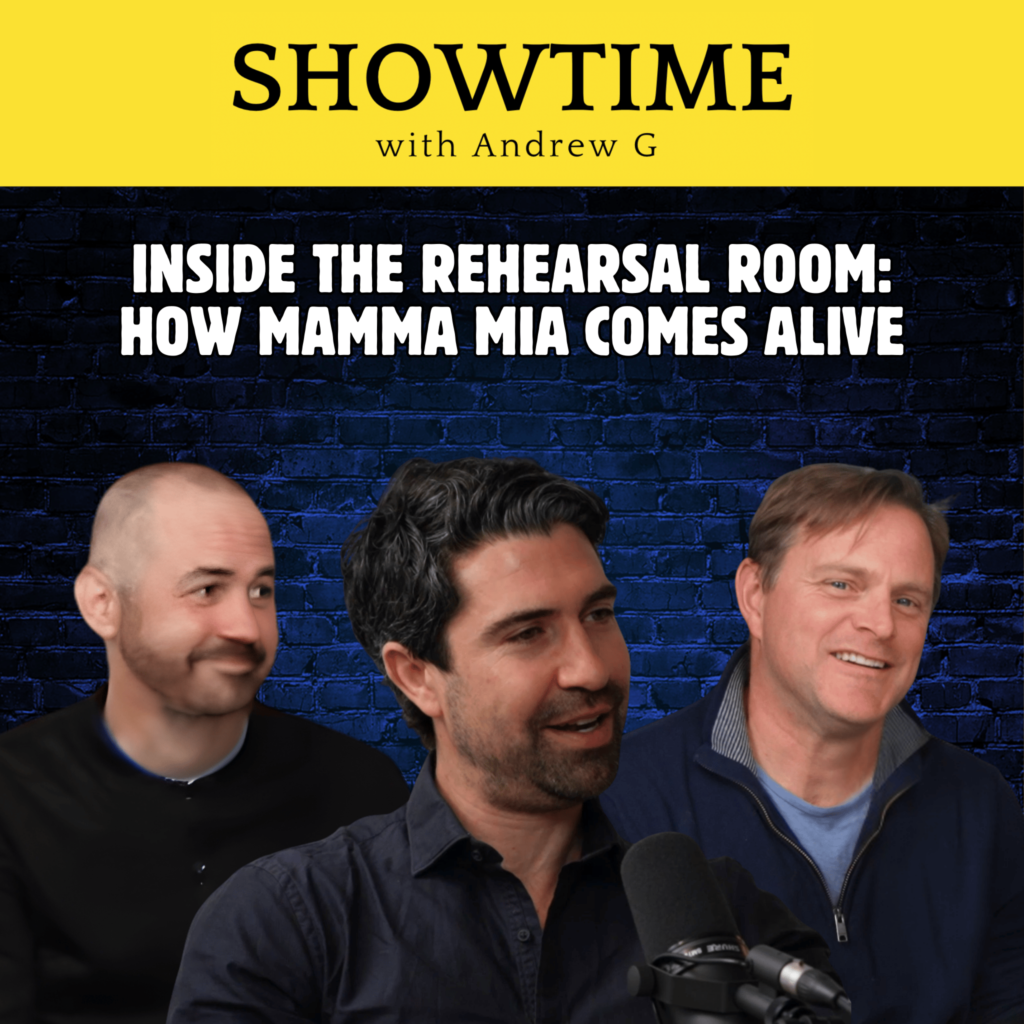
Every so often, a theatre conversation reminds you that behind the glitter, the disco lights, and the standing ovations, there is something far more human at work. In this episode of Showtime, Andrew G sits down with performer Bek Chapman during rehearsals for Mamma Mia, opening this February at the National Theatre in St Kilda.
What unfolds is more than a chat about ABBA hits and iconic choreography. It’s a reflection on independence, vulnerability, friendship, and the electric magic of live performance.
This isn’t just a story about stepping into a beloved musical. It’s about stepping into a role at exactly the right moment in life.
The Birthday Call That Changed Everything
Bek was already cast as an understudy when the call came — on her 44th birthday.
Would she like to play Donna Sheridan?
Cool and composed on the phone, she accepted. The screaming happened later.
The moment marked more than a career milestone. It felt aligned. After years of performing across music, comedy, theatre, and television, this wasn’t just another role. It was a full-circle chapter — personally and professionally.
Sometimes the right opportunity doesn’t arrive early. It arrives when you’re ready.
Discovering the Woman Beneath Donna
Donna Sheridan is often remembered as bold, brassy, and fiercely independent. But as Bek explains, the deeper she dives into the script, the more layered Donna becomes.
Yes, she’s strong. Yes, she runs a business, raised a daughter on her own, and built a life on her terms.
But she’s also vulnerable.
That duality — strength on the surface, tenderness underneath — is what resonated most with Bek. It’s what makes Donna recognisable. She isn’t a caricature of independence. She’s a woman who has chosen independence, but still feels deeply.
And perhaps that’s why audiences connect so strongly with her.
The Song That Stops Everything
For Bek, one number stands apart: Slipping Through My Fingers.
It isn’t the biggest dance number. It isn’t glitter-heavy. It doesn’t rely on spectacle.
It’s quiet. Reflective. Emotional.
In rehearsal, it caught her off guard. The rhythm may look simple on paper, but emotionally, it lands with weight. It speaks to growth, change, and the bittersweet passage of time — themes that resonate across generations.
That’s the hidden strength of Mamma Mia. Beneath the disco beats are moments that quietly break your heart.
The Mini-Stories You Might Miss
One of Bek’s favourite parts of any musical is watching the ensemble.
In this production, every cast member carries their own mini-story — subtle glances, background relationships, silent narratives unfolding behind the leads. It’s the kind of detail audiences may not consciously register, but they feel it.
That layered storytelling is what transforms a fun show into a living, breathing world.
You don’t just watch Mamma Mia. You step inside it.
The Energy You Can’t Download
In a world dominated by screens, live theatre remains stubbornly powerful.
Why?
Energy.
Bek describes the audience-performer connection as something impossible to replicate digitally. A quiet Thursday night crowd feels different from a rowdy Friday audience. The performers respond. They adjust. They feed off the room.
It’s a shared experience, unfolding in real time.
Every show is slightly different. Every audience shapes the night.
That unpredictability is what makes theatre feel alive.
Awkwardness as a Superpower
While Donna exudes confidence, Bek brings a touch of her own comedic awkwardness to the role.
A perfectly timed stumble. A self-aware moment. A subtle physical joke.
Comedy, she says, is her wheelhouse.
And that blend of humour and heart is essential in Mamma Mia. The show invites you to laugh freely — sometimes at the characters, sometimes with them — before gently guiding you into something more emotional.
It’s joy with depth.
Why Mamma Mia Still Matters
Decades after ABBA first topped the charts, the music still fills theatres. But the show’s endurance isn’t just about nostalgia.
It’s about connection.
It’s about friendship that evolves over time.
It’s about mothers and daughters becoming friends.
It’s about forgiveness.
It’s about independence that doesn’t cancel out vulnerability.
It’s about second chances arriving when you least expect them.
Audiences come for the songs they know. They stay for how it makes them feel.
Leaving Lighter Than You Arrived
When asked to finish the sentence, “You should see Mamma Mia because…”, Bek doesn’t hesitate.
Because it’s joyful.
Because you’ll laugh.
Because you’ll cry.
Because you’ll laugh again.
Because there are sequins and daggy costumes and full-hearted performances.
But mostly — because it’s a shared experience.
The kind where strangers sit side by side and feel something together.
And in a world that often feels disconnected, that kind of joy isn’t shallow.
It’s necessary.Mamma Mia opens this February at the National Theatre in St Kilda — and if this conversation is anything to go by, beneath the glitter lies something deeply, beautifully human.