Stuart Maunder: Joy, Laughter, and Why Opera Is for Everyone
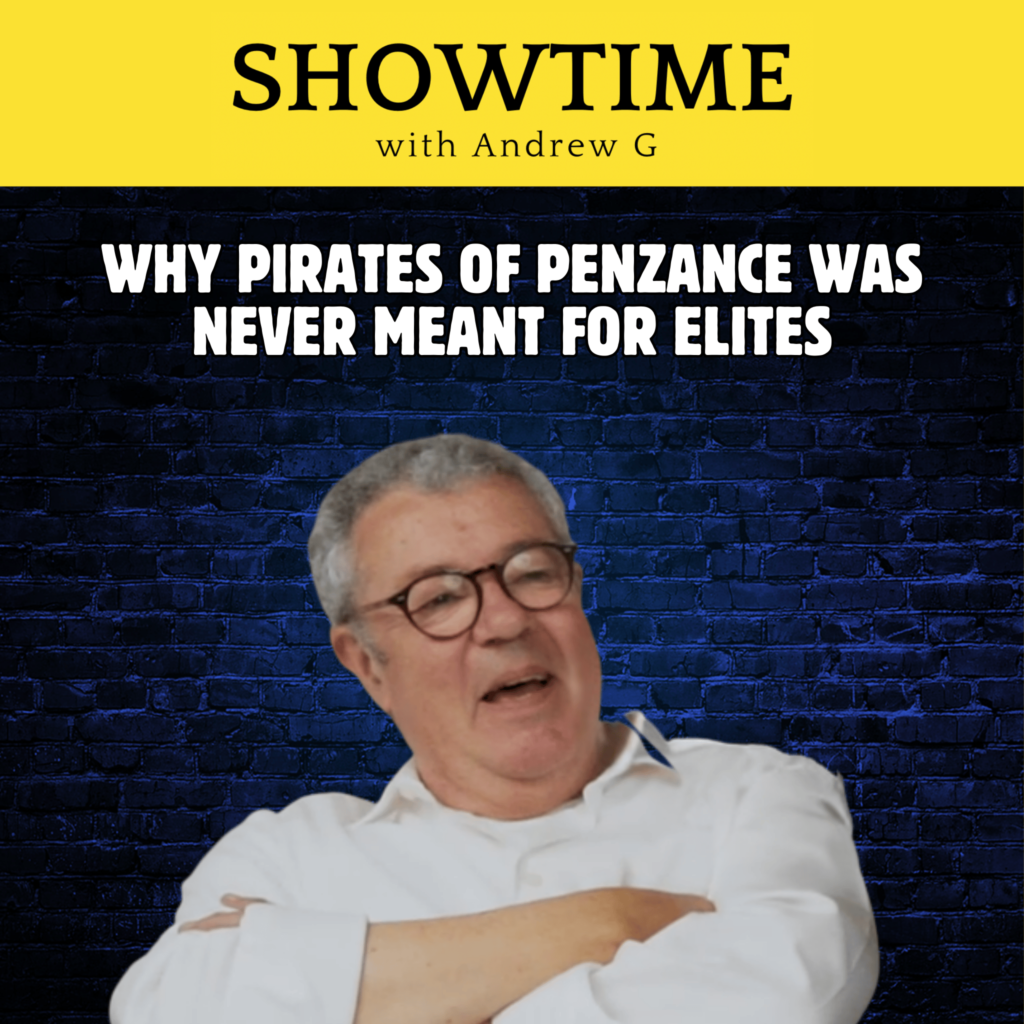
Every so often, you encounter a theatre story that gently dismantles everything you thought you knew about an art form. In this episode, Andrew sits down with Stuart Maunder, Artistic Director of Victorian Opera, to talk about The Pirates of Penzance—and in doing so, reframe opera as something playful, generous, and profoundly human.
What unfolds is not a conversation about prestige or tradition, but about joy. About laughter echoing through an auditorium. About why silliness, music, and shared experience might be the most powerful tools theatre has. And about why opera, at its best, has always belonged to everyone.
Where It All Began: Falling in Love With Theatre
For Stuart, theatre wasn’t something discovered later in life—it arrived early and left a permanent mark. Childhood memories of pantomime, spectacle, smoke, transformation, and music lit a spark that never faded. From seeing The Wizard of Oz as a child to being captivated by the playful magic of live performance, those early experiences shaped not just his career, but his belief in what theatre can be.
Growing up, these productions weren’t about refinement or rules—they were about wonder. They invited laughter, surprise, and connection. Stuart reflects on how those first encounters instilled a lifelong devotion to storytelling that welcomes audiences in, rather than keeping them at arm’s length.
A Lifelong Relationship With Pirates
The Pirates of Penzance has followed Stuart through every chapter of his creative life. From amateur productions to iconic professional stagings, it’s a work he’s returned to again and again—not out of nostalgia, but because it never stops revealing something new.
He describes Pirates as a joyful contradiction: gloriously silly, yet unexpectedly tender. A piece that makes you laugh one moment, then quietly moves you the next. Its enduring brilliance lies in that balance—where wit, melody, and emotional sincerity coexist without apology.
Inside the Rehearsal Room: Energy, Trust, and Discovery
Stepping into the rehearsal room, Stuart admits, never stops being terrifying—and exhilarating. That mix of nerves and excitement is part of what keeps the work alive. Directing Pirates with Victorian Opera, he speaks about the privilege of working with both established performers and early-career artists, and the electric energy that emerges when experience meets fresh discovery.
Younger performers, he notes, bring open-eyed joy to Gilbert and Sullivan’s language and harmonies—often encountering this world for the first time. That sense of discovery ripples outward, becoming palpable to audiences. The production’s full orchestra, vibrant toy-theatre design, and cartoon-like visual world are all built around one simple goal: to create a genuinely great night out.
Why It’s Still Funny—and Still Matters
More than a century after it was written, The Pirates of Penzance still makes people laugh for one very simple reason: it’s still funny. Stuart reflects on the timelessness of Gilbert and Sullivan’s humour—mildly satirical, deeply playful, and rooted in a very British logic that turns the world gently on its head.
But beneath the comedy lies something deeper. The music carries emotion directly to the audience, bypassing intellect and expectation. It’s why opera—and especially a piece like Pirates—can make you feel something before you even realise you’re feeling it.
Breaking the Myth: Opera Isn’t What You Think
A central thread of the conversation is Stuart’s passionate belief that opera is not intimidating, elitist, or inaccessible. Historically, Gilbert and Sullivan wrote for the general public, and Pirates was always meant to be shared widely—families, first-timers, and seasoned theatre-goers alike.
Stuart challenges the idea that opera is only for those “in the know,” reframing it simply as work driven by music and emotion. Something to be experienced, not decoded. His invitation is refreshingly straightforward: give it a go.
The Night You Walk Out Remembering
When Andrew asks what Stuart hopes audiences feel as they leave the theatre, the answer is immediate and heartfelt: “My God, that was a great night.”
Not impressed. Not educated. But uplifted. Energised. Glad they came.
At its core, this episode is a celebration of laughter, generosity, and shared joy. It’s about theatre that doesn’t talk down to its audience—or shut them out—but welcomes them in with open arms. It’s a reminder that sometimes the most enduring art is the kind that dares to be silly, sincere, and full of heart.
And if you walk out humming, smiling, and feeling just a little lighter? Then Pirates has done exactly what it set out to do.