Mamma Mia: Connection, Joy, and Why This Musical Still Matters
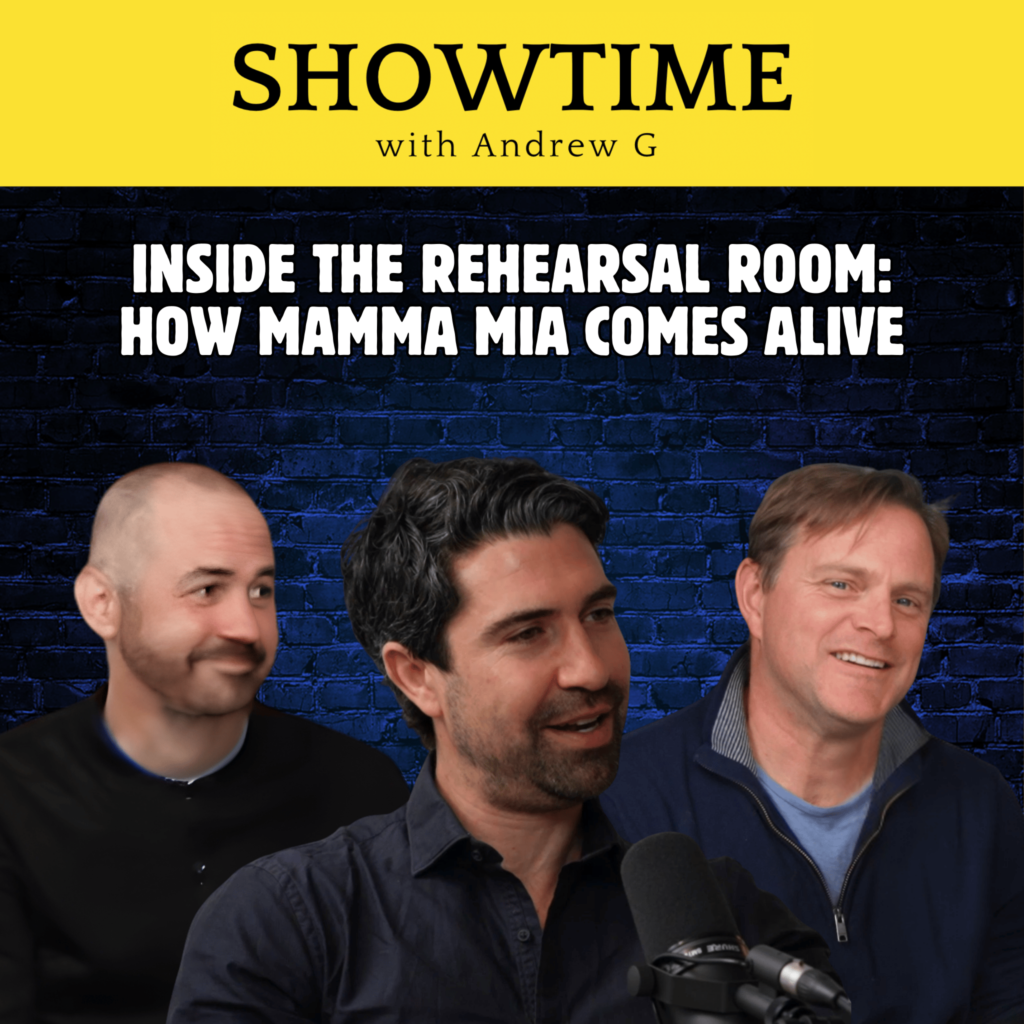
Every so often, a conversation about theatre reminds you why live performance holds such a powerful place in people’s lives. In this episode of Showtime, Andrew sits down with Sam Anderson, Shannon Foley, and Luke Stevens as they prepare to bring Mamma Mia to the National Theatre in February 2026. What unfolds is not just a discussion about a beloved musical, but a reflection on connection, authenticity, and the quiet responsibility performers carry to make people feel something real.
This isn’t a conversation about spectacle alone. It’s about why Mamma Mia continues to resonate across generations—and why joy, when it’s rooted in truth, can be genuinely transformative.
Where It All Begins: Theatre as Connection
For Sam, Shannon, and Luke, theatre isn’t simply about hitting marks or singing well—it’s about helping people see themselves on stage. Early in the conversation, they reflect on the idea that when audiences recognise their own lives, relationships, and emotions in a story, something powerful happens. That sense of recognition turns entertainment into connection.
Each performer speaks about the privilege of being cast and the responsibility that comes with it: to bring truth to the script. As they note, performers sometimes forget how deeply theatre can affect people—but shows like Mamma Mia serve as a reminder that storytelling has the power to change audiences for the better, even if only for a night.
Inside the Rehearsal Room: Play, Trust, and Momentum
As opening night approaches, the cast describe rehearsals as both exhilarating and relentless. Time accelerates, December arrives “like a comet,” and suddenly the show is upon them. Yet within that pressure is a sense of play. They talk about how quickly the ensemble has bonded, how professionalism creates freedom, and how fun becomes a vital part of the process.
Unlike some productions that arrive fully prescribed, this version of Mamma Mia allows room to build something organically. The cast describe the joy of creating within a shared framework—honouring the characters while still finding space to play, explore, and connect with one another.
The Music That Moves You—Literally
ABBA’s music sits at the heart of the show, and the cast speak candidly about its power. Even for those who didn’t grow up listening to it, the songs are instantly infectious. They make bodies move, voices lift, and audiences want to dance along.
But the music isn’t just fun—it’s deceptively demanding. With live vocals throughout and hardly a moment to pause, Mamma Mia operates like a machine that never switches off. Even during costume changes, performers are singing. Every role, no matter how small, is integral to the whole. That intensity creates a shared responsibility—and a shared exhilaration.
The Journeys That Shape the Performance
The conversation deepens as each cast member reflects on their own path into theatre. Sam speaks about his training at NIDA and the importance of understanding intention—the “why” behind every word and lyric. Shannon reflects on her opera background and how classical training gave her a technical foundation that allows freedom, confidence, and consistency on stage.
Luke offers a more winding story, shaped by rejection, missed opportunities, and resilience. He reframes setbacks as setups for comebacks, sharing how failure became one of his greatest teachers. Returning to Mamma Mia years later, now in a different role, carries emotional weight—especially as he reflects on the performers who came before him and the legacy they left behind.
Together, their stories reveal that there is no single path into theatre. What matters is persistence, curiosity, and a willingness to keep showing up.
Why Mamma Mia Endures
So why does Mamma Mia still work, decades after it first appeared? For the cast, the answer is simple: the music is timeless, and the story has heart. It’s joyful without being empty, funny without being shallow. It invites laughter, movement, and emotion in equal measure.
They describe it as comfort food—a show you can return to again and again and still leave feeling lighter. People walk out dancing, smiling, taking photos, and carrying that joy with them. In a world that often feels heavy, that kind of shared happiness matters.
The Advice That Lingers
Threaded throughout the conversation is wisdom earned the hard way. Don’t be in a hurry. Don’t be overly competitive. Learn from everyone in the room—older performers and younger ones alike. Enjoy the moments while they’re happening.
Above all, the cast emphasise generosity: being present, being positive, and remembering that theatre is a collective act. No one carries the show alone.
Walking Out Lighter Than You Came In
At its core, this episode is a celebration of why theatre exists in the first place. It’s about music that bypasses logic and goes straight to the body. Stories that help people feel seen. And performances that remind audiences—if only for a couple of hours—that joy is worth chasing.
Mamma Mia doesn’t just ask audiences to watch. It invites them to feel, to move, and to remember what it’s like to be part of something shared.
And if people walk out of the theatre smiling, humming ABBA, and thinking, that was a really great night—then the show has done exactly what it set out to do.