🎭 What’s Yours
🗓️ 1 August to 24 August
📍 Red Stitch Actors’ Theatre
🎟️ redstitch.net
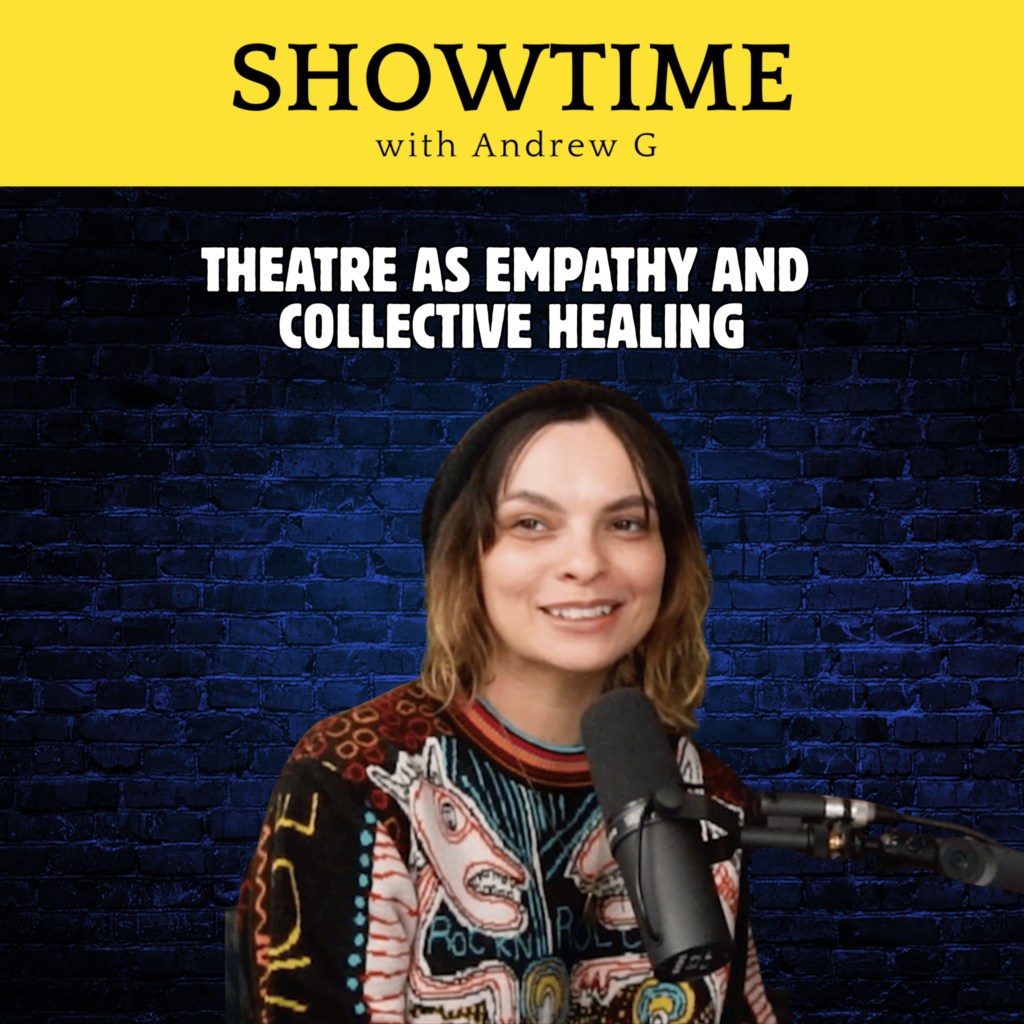
The latest episode of Showtime features a conversation with Carissa Lee, an actor, writer and cultural researcher whose career has spanned theatre, television and academia. Carissa’s story is one that reminds us how transformative early influences can be and how the arts can shape not just careers but entire ways of seeing the world. She grew up in a small South Australian town where school plays and dance first sparked her love for performing. A passionate drama teacher became a crucial influence, opening the door to Shakespeare and introducing her to the Drama Centre in Adelaide. Those early opportunities created the foundation for what would become a lifelong dedication to storytelling.
Carissa recalls the thrill of her earliest performances and admits that the nerves never truly go away. That edge of adrenaline has become part of the magic for her. Stepping on stage is like stepping into a second home, a place where community and connection are always waiting. Seeing her first professional play, Last of the Red Hot Lovers, had a huge impact on her. She watched Jackie Weaver perform multiple roles and realised the sheer scope of what live theatre could achieve. It was no longer just about Shakespeare and the classics. Discovering diverse voices like Indigenous playwright Jack Davis gave her a broader understanding of how theatre could reflect different cultures and identities.
Her career has never shied away from risk. One of her most memorable experiences was taking on the role of Charles Manson in a four hour play. It was a demanding challenge both physically and emotionally, but it pushed her to grow as an artist. Carissa embraces these kinds of roles because they expand her craft and deepen her ability to tell complex stories. That willingness to explore and experiment is what keeps her work vital.
Alongside her acting, Carissa has pursued academic research, completing a PhD that informs her approach to character. She believes that preparation is key, and she draws on her research skills to dive deeply into the world of each role. For a character facing fertility struggles, she read widely and listened carefully to stories of lived experience. This combination of scholarship and empathy grounds her performances in authenticity and respect. It is not just about reciting lines but about understanding the history, psychology and cultural context that shape a person.
Right now Carissa is performing in What’s Yours? at Red Stitch Actors Theatre. The play explores themes of friendship, love and the heartbreaking decisions people face around fertility and relationships. Carissa plays Leah, a woman dealing with fertility challenges and the strain they place on her connections with others. The role is emotionally demanding, requiring her to navigate vulnerability on stage night after night. She describes the process as both rewarding and exhausting, a delicate balance between staying fully present in character and maintaining her own mental wellbeing.
Red Stitch provides a unique environment for this kind of work. Its small and intimate space means the audience is close, and every reaction is shared between performer and spectator. Carissa speaks warmly of the sense of community within the company, where actors and creatives support one another through difficult material. That intimacy also extends to the audience, who are drawn into the emotional journey in a way that feels almost communal. When laughter breaks through in the middle of heavy scenes, it serves as a release and a reminder that theatre is a shared experience.
Performing a play about fertility struggles has taught Carissa a great deal about empathy. She has become more mindful of the invisible burdens people carry, the quiet battles that are often hidden from view. Theatre, she says, has the power to shine a light on those experiences, giving them visibility and making audiences feel less alone. In this way, storytelling becomes a form of collective healing. The sorrow of a character can be halved when shared with an audience who lean in together.
What emerges from her reflections is a portrait of an artist deeply committed to her craft and her community. The influence of early mentorship highlights the importance of arts education, especially in regional areas where opportunities can feel scarce. Exposure to diverse voices and playwrights demonstrates the need for inclusivity and representation on stage. Creative risk taking is shown not as reckless but as essential to artistic growth. The connection between research and performance illustrates how interdisciplinary approaches can enrich theatre. And the emphasis on community underlines that live performance is never a solitary act but a dialogue between people.
Carissa’s journey is also a reminder of the unseen labour of acting. Beyond the applause there are the emotional tolls of embodying trauma, the discipline required to keep mental health in check, and the vulnerability of exposing personal emotions night after night. These demands highlight the necessity of supportive rehearsal rooms and companies like Red Stitch that prioritise wellbeing alongside artistry.
Audiences who see What’s Yours? will witness not only a story about love, choice and fertility but also the result of years of dedication, risk and research from performers like Carissa. They will feel the intimacy of the space, the immediacy of live emotion, and the relief of shared laughter when tension grows heavy. And perhaps they will leave more empathetic, carrying a deeper understanding of the hidden struggles others may face.
The conversation with Carissa Lee on Showtime reveals the layered nature of acting and the theatre industry. It is not simply about entertainment but about connection, education and empathy. It is about creating spaces where people can confront difficult truths together and leave feeling both challenged and comforted. Carissa’s story demonstrates how the arts can shape lives, broaden perspectives and foster communities of care. Her career continues to prove that theatre is not just a profession but a deeply human act of reaching out, sharing stories and reminding us that we are never truly alone in our experiences.